Newsletter
We do not see the sources of accelerated economic growth. Do you?
CEVES Newsletter July 2026 Dear friends, associates, and colleagues, In our second CEVES newsletter this year, we comment on economic growth assumptions
CEVES Newsletter July 2026 Dear friends, associates, and colleagues, In our second CEVES newsletter this year, we comment on economic growth assumptions
The Fiscal Strategy expects GDP growth to accelerate from 2.0% in 2025 to 3.0% in 2026, and then to significantly

At the end of the current year, we share with you the New Year's newsletter – which, along with congratulations, hopes, and good wishes, also contains a quick overview of the economic situation and expectations in Serbia and the European Union, as well as a concise summary of CEVES's key activities and partnerships in 2024 with a look ahead. We also take this opportunity to express our strong support for students and citizens who, through protests, demand that institutions start doing their job – honestly.
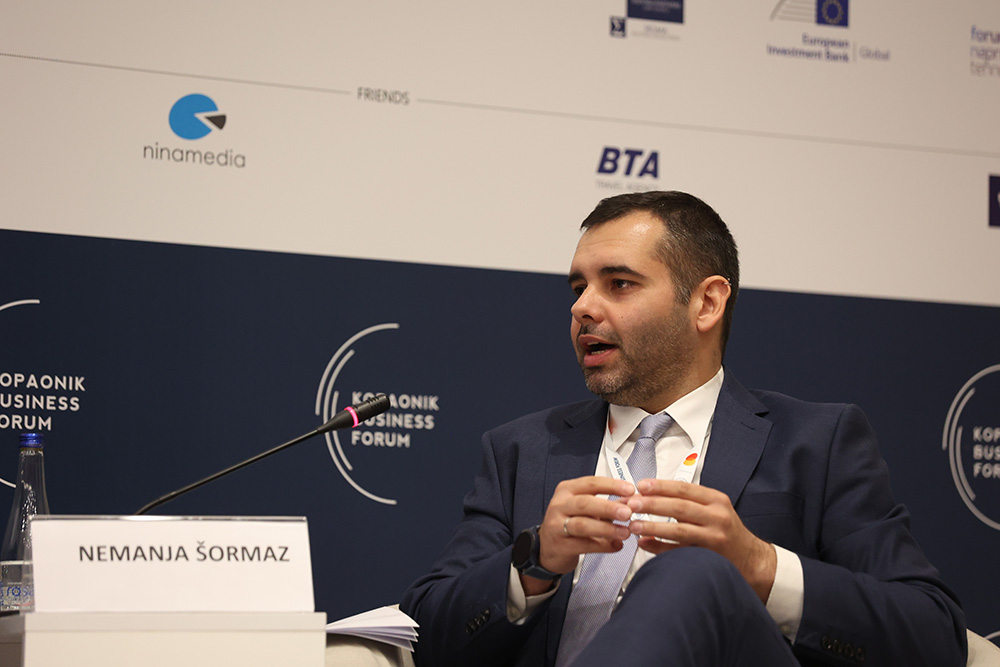
The proposed high level of public investment does not guarantee their quality – neither in terms of executed works nor contributions to GDP growth and improvement of the quality of life, Nemanja Šormaz tells Danas.

„The low level of domestic private investment is a consequence of two key factors – one concerns the state, and the other concerns the SME sector itself,“ says Nemanja Šormaz, Director of CEVES, in an interview with Bloomberg Adria.
“What Mask plans can only be carried out by massive budget cuts. He announced 2 trillion dollars, which means that

„This credit rating is particularly important for Serbia. It's not that all doors will open for investment and pension funds, but many will open, as there will be more buyers of securities, which will affect the fall in interest rates for state borrowing,“ said Medić.
If it were enabled for the tax credit to amount to 50% of the investment, it would cost the state 300 to 400 million euros annually. That is not a small amount of money, but the effect would be a 40% growth in private investments in the medium term of 5 years.
Pavle Medić and Lazar Ivanović write for NIN about the plan „Jump into the Future – Serbia Expo 2027„. “This idea, which we will call the “plan' for the purpose of this text, although we have never seen it, is yet another in a series of marketing tricks without adequate basis in law and reality. For this very reason, we will criticize it from an institutional perspective, as well as from the viewpoint of its economic expediency."
After several months of hibernation, the play about the lithium miracle has started again in the theatre of the absurd. Two facts. First: Serbia is a country with one of the highest rates of corruption on the European continent – only BiH, Belarus, and Ukraine are worse. Second: the Jadar project is a major challenge for Serbia.
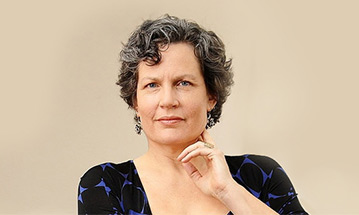
The essence of the message we want to convey at our MSP100 EXPO event is that small and medium-sized enterprises develop best if people develop, and people develop with the development of SMEs if the education system works for them, not for providing jobs to people with outdated profiles.
Although local self-government units in Serbia had adopted local strategic documents even before the new Law on the Planning System came into force, this did not mean that local development was managed systematically in Serbia.
The working group, which brings together about twenty economic experts, agreed that fiscal policy, primarily a real reduction in state spending, had only a mildly contractionary effect on economic growth, and that unjustified extraordinary expenditures included in the budget rebalance would do little to help economic growth, and would slow down the necessary inflation containment, even though a lower deficit was projected compared to the previous year.

Serbia's economic growth during 2022 was almost half as slow (2.3%) compared to Western Balkan countries (4.1%), significantly slower
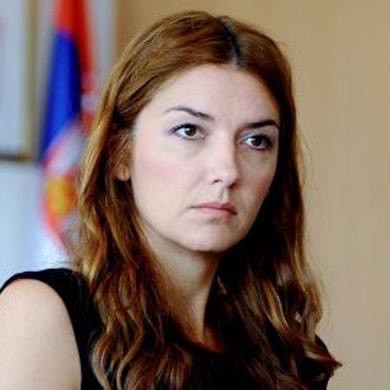
At the beginning of the transition, private capital generated just over 20 percent of GDP, and today remaining state-owned enterprises generate less than 10 percent of GDP, but still significantly influence the business environment and hinder the faster growth of domestic small and medium-sized enterprises.
CEVES has submitted an initiative to the Chamber of Commerce and Industry of Serbia for export support for small and medium-sized enterprises that are export-oriented.

Dear friends, partners, associates, donors, During 2022, we advocated for the achievement of sustainable development in Serbia, and especially

The Fund for Sustainable Local Development invites local civil society organizations (CSOs) from the following municipalities and cities: Priboj, Požega, Užice, Sremski
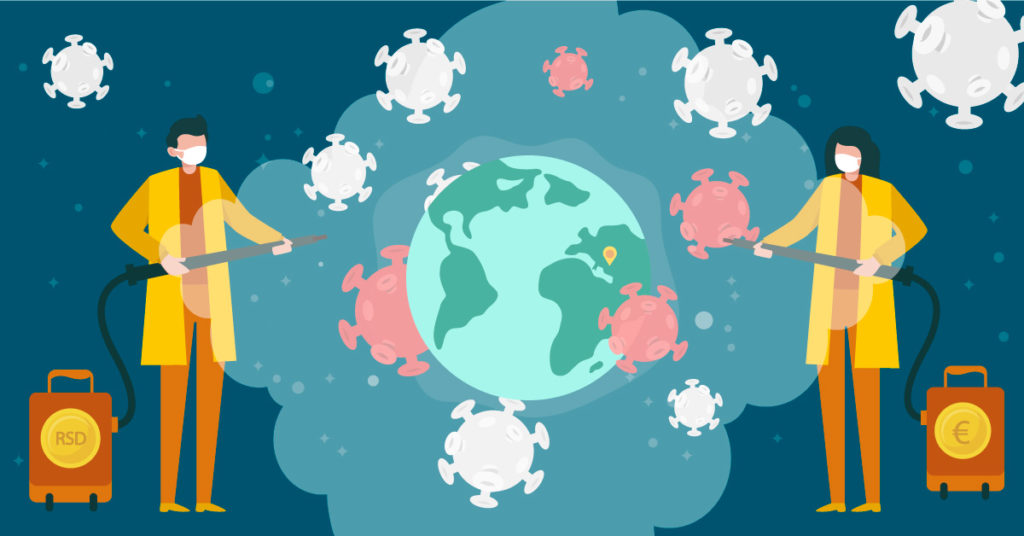
Author: Dr. Kori Udovički Download the text in PDF The economic measures that the Government has taken or announced so far in response
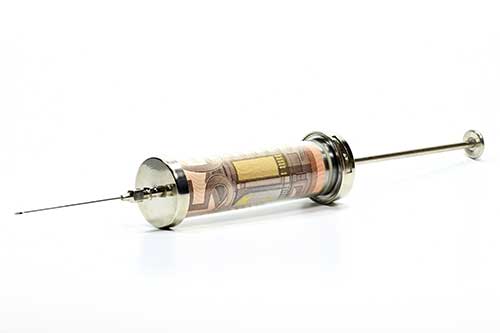
Author: Dr. Kori Udovički, first published 29.3.2020, revised 1.4.2020. Download the text in PDF The pandemic caught us just when