USAID SME Activity
Description The SME sector in Serbia is highly fragmented (96% are micro-enterprises) and limited by weak access to finance, low levels of innovation, and
CEVES advocates for development policies that integrate sustainability, just transition, and green economic transformation. The program includes strategic development planning, adoption of circular economy principles, ESG standards, and the SDG agenda, as well as analysis of the impact of instruments like CBAM. Special attention is paid to renewable energy sources, decarbonization, local self-government development, regional development, and the growth of green jobs. CEVES promotes models that involve citizens and the economy as active participants in the transition—including prosumers—to build a more resilient and climate-responsible economy.
Below you can see a brief overview of Projects that CEVES has implemented or is implementing within this program area.

Description The SME sector in Serbia is highly fragmented (96% are micro-enterprises) and limited by weak access to finance, low levels of innovation, and

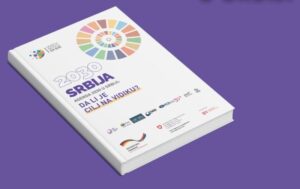
DescriptionSupport for the UN-Habitat Voluntary Local Review (VLR) initiative in nine municipalities in Serbia through data mapping, policy review, alignment with SDGs

Small and medium-sized enterprises (SMEs) in Serbia employ 66% of the workforce, but face low productivity and competitiveness. Their

Analysis of the impact of German foreign direct investment (FDI) on the Serbian economy, including updated trade data, company mapping, and a case study.

Context The goal of this project was to develop public policy recommendations that will inform the broader European Bank initiative

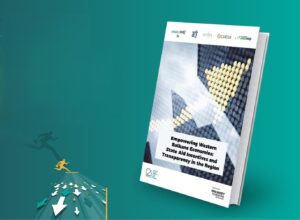
Description Regional study on state aid related to FDI, aiming to improve transparency and coordination in the Western Balkan countries (WB6).

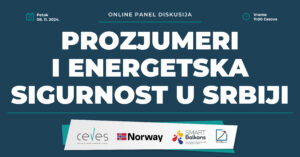
Description: Regional policy study on renewable energy sources and prosumers, analyzing Serbia's framework and proposing measures to improve energy production

Small and medium-sized enterprises (SMEs) are the economic backbone of Serbia, but many dynamic, fast-growing companies remain invisible to policymakers

DescriptionA comprehensive study of the labor market and migration that supports Serbia's Economic Migration Strategy through an analysis of employer needs, skill gaps, and recommendations

Description Serbia's innovation ecosystem had great potential, but lacked a structured mechanism for directing resources and cooperation towards

Description Rapid assessment of the resilience of micro, small, and medium-sized enterprises (MSMEs) in rural areas of Serbia during the COVID-19 pandemic, analyzing financial gaps.,

Description Rapid assessment of the impact of COVID-19 on micro, small, and medium-sized enterprises (MSMEs) in Serbia through an extensive company survey, analyzing the effects on

Publications related to the impact assessment of the introduction of the circular economy in three sectors – plastic packaging, electrical

Description Series of annual impact assessments evaluating the USAID Competitive Agriculture Project in Serbia's agribusiness sector, using the Outcome Harvesting methodology for

Description Serbia's manufacturing sector underwent a late structural transformation but faced constant limitations: SME fragmentation, weak integration

Description Baseline assessment of the fruit and vegetable value chains in Serbia, combining trade data and 194 company interviews to

Description Update of the Serbia EESE report assessing the constraints of micro, small, and medium-sized enterprises (MSMEs) and providing policy recommendations, based on