Newsletter
We do not see the sources of accelerated economic growth. Do you?
CEVES Newsletter July 2026 Dear friends, associates, and colleagues, In our second CEVES newsletter this year, we comment on economic growth assumptions
CEVES Newsletter July 2026 Dear friends, associates, and colleagues, In our second CEVES newsletter this year, we comment on economic growth assumptions
CBAM — a mechanism by which the EU charges for the carbon footprint of imported goods — has been in effect since the beginning of 2026. The EU is late and
The Fiscal Strategy expects GDP growth to accelerate from 2.0% in 2025 to 3.0% in 2026, and then to significantly
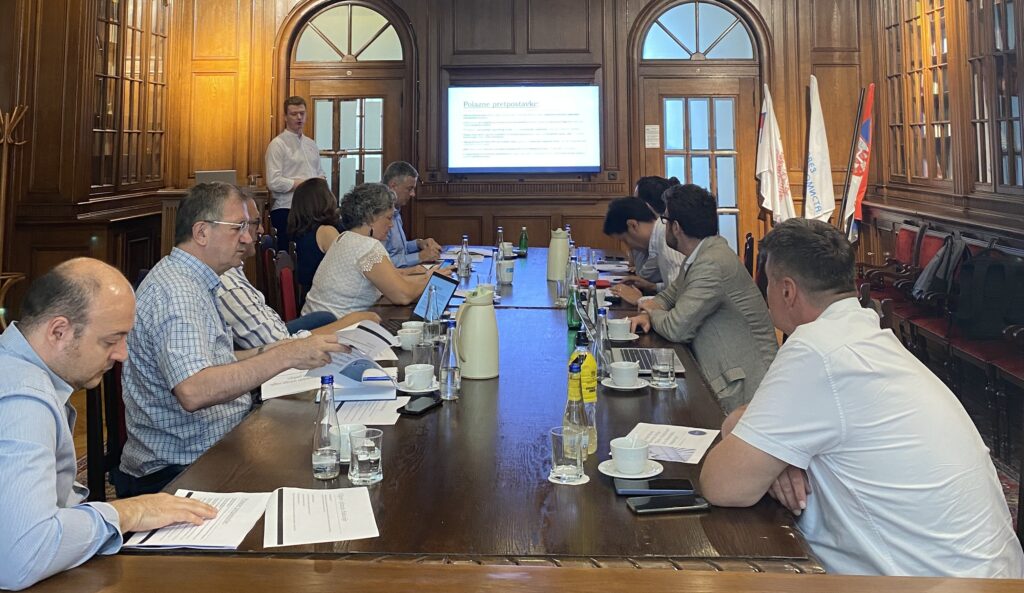
At the round table „Competitiveness of the Serbian Economy – A “Leap into the Future” or into Economic Stagnation?“ the most prominent economists from the country, representatives of academia, expert bodies, and relevant institutes, discussed the sustainability of the export-oriented growth model, with a particular focus on the structural challenges of competitiveness and the causes of strong real appreciation of the dinar.
Protests were certainly not the main culprit for the slowdown in economic growth in the first quarter of this year, but they exposed the fact that it has been standing on increasingly weaker foundations in recent years.
We share with you the newsletter for the first quarter of 2025 – which, in addition to a brief overview of the most important economic trends in Serbia and the EU, also includes our reflections on the key challenges shaping the economic and political climate, as well as CEVES's activities during this period.

At the end of the current year, we share with you the New Year's newsletter – which, along with congratulations, hopes, and good wishes, also contains a quick overview of the economic situation and expectations in Serbia and the European Union, as well as a concise summary of CEVES's key activities and partnerships in 2024 with a look ahead. We also take this opportunity to express our strong support for students and citizens who, through protests, demand that institutions start doing their job – honestly.
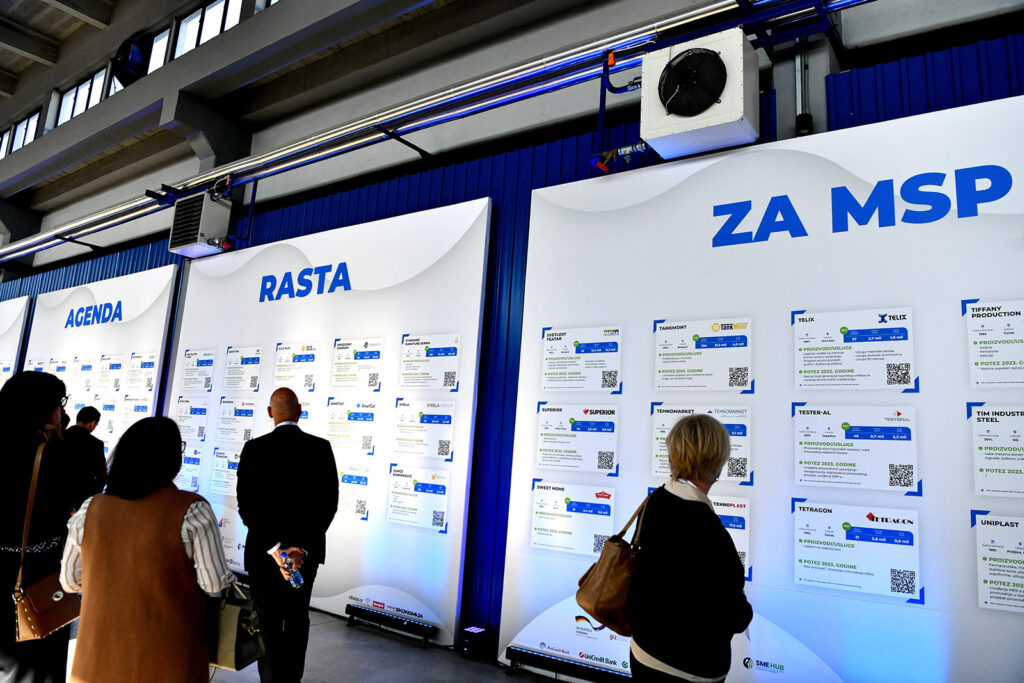
SMEs face challenges that exceed their capacities. These challenges not only threaten their survival but also limit their potential to contribute to economic growth and job creation.
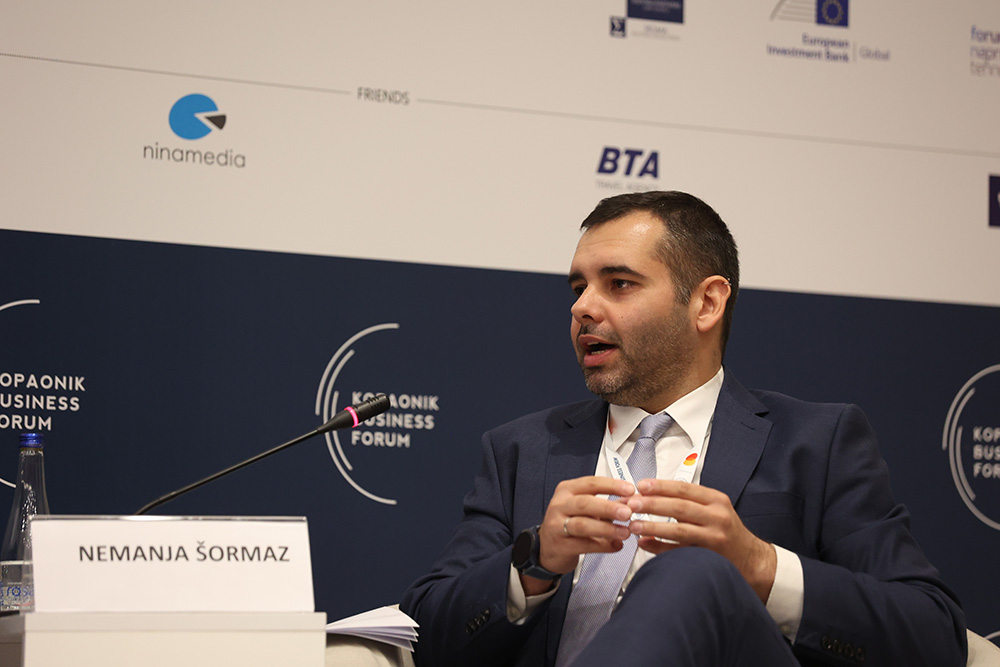
The proposed high level of public investment does not guarantee their quality – neither in terms of executed works nor contributions to GDP growth and improvement of the quality of life, Nemanja Šormaz tells Danas.

„The low level of domestic private investment is a consequence of two key factors – one concerns the state, and the other concerns the SME sector itself,“ says Nemanja Šormaz, Director of CEVES, in an interview with Bloomberg Adria.
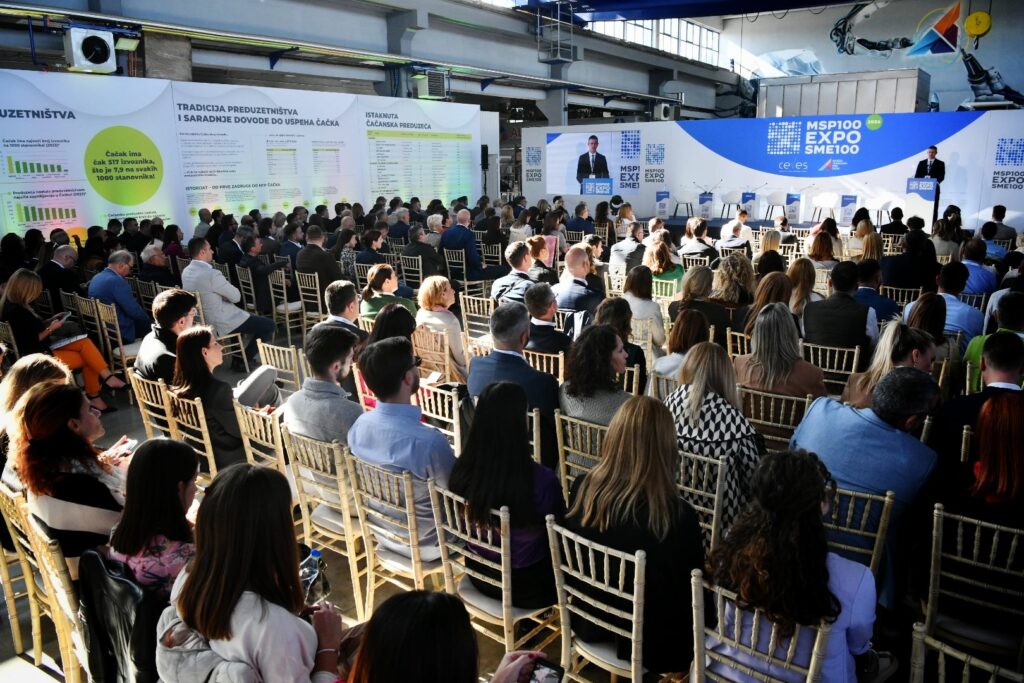
MSP100 Expo 2024, held on October 18, 2024, in Čačak, under the slogan New growth agenda for SMEs gathered 350 participants, more than 100 leading domestic small and medium-sized enterprises, representatives of over 20 key state and international institutions, as well as numerous representatives of the financial sector with the aim of further improving the business environment for domestic SMEs.
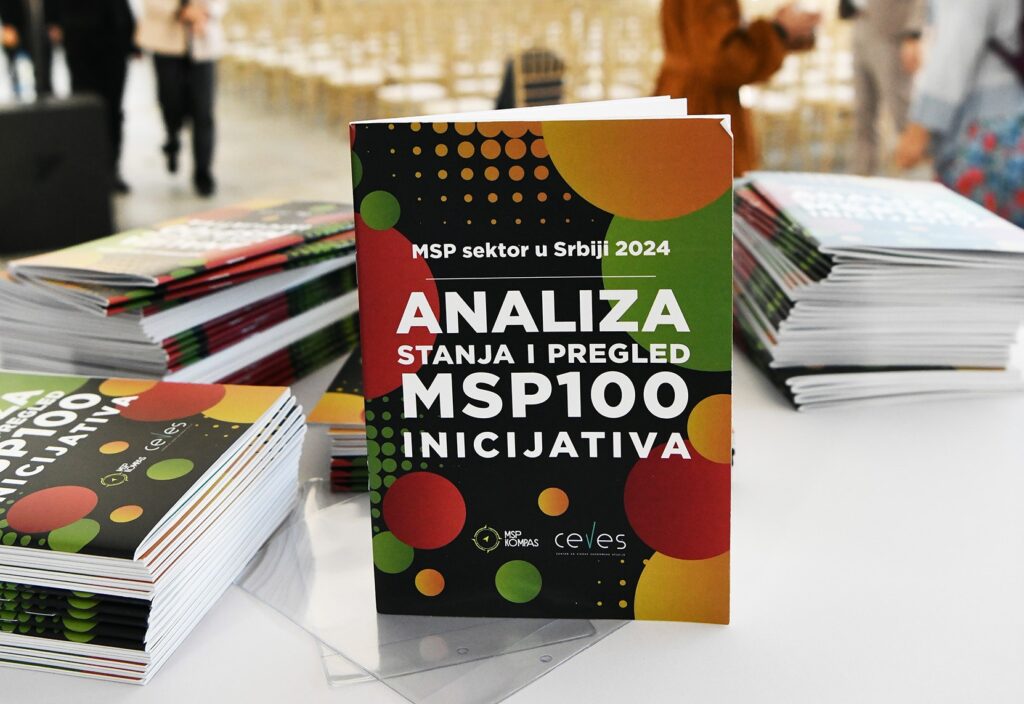
„SME Barometer“, i.e., the document „SME Sector in Serbia 2024: State Analysis and Overview of SME100 Initiatives“ offers a concise overview of key trends and the state of the SME sector in Serbia during 2023, with expectations for 2024. Based on data from the SME Compass, economic trends in Serbia and abroad, business
activities and challenges faced by SMEs, such as inadequate business environment, access to finance, labor availability, as well as green and digital transformation, are analyzed. These insights provide a clear picture of the opportunities and obstacles affecting the growth and development of the SME sector.
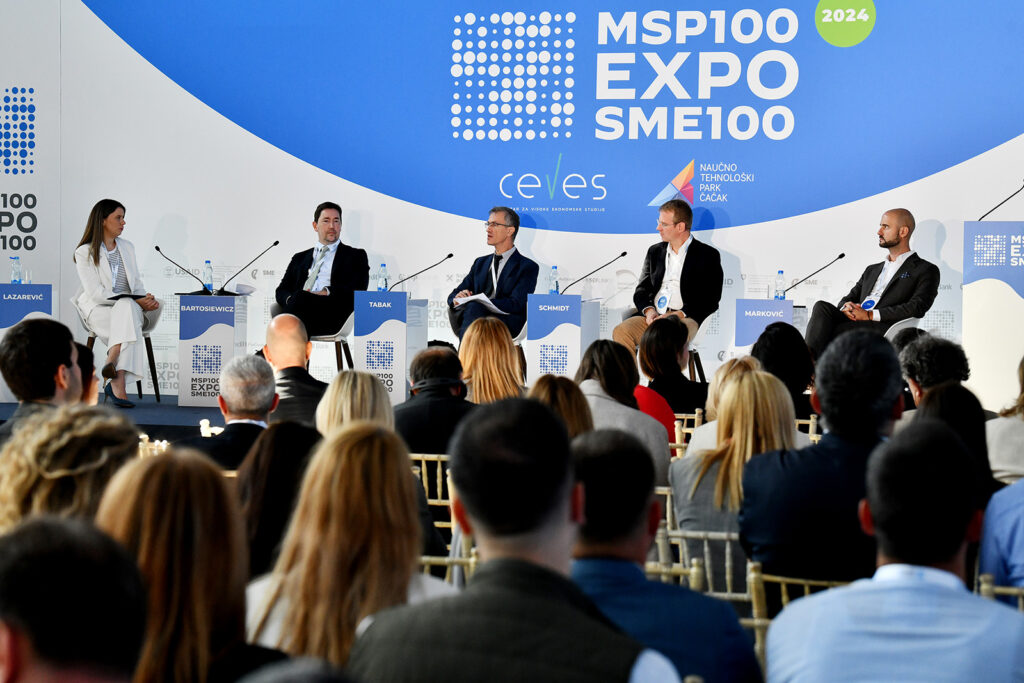
A conference was held today at the Science and Technology Park Čačak MSP100 EXPO 2024: New growth agenda for SMEs which brought together the most successful Serbian small and medium-sized enterprises and other actors from the SME ecosystem. This event, held for the third consecutive year, is dedicated to promoting the importance of the Serbian small and medium-sized enterprise sector. Along with discussions on strategic development challenges and recommendations that would lead to even faster SME development, the focus of this year's MSP100 EXPO was on directing key actors towards the realization of more intensive and efficient development support for the SME sector.
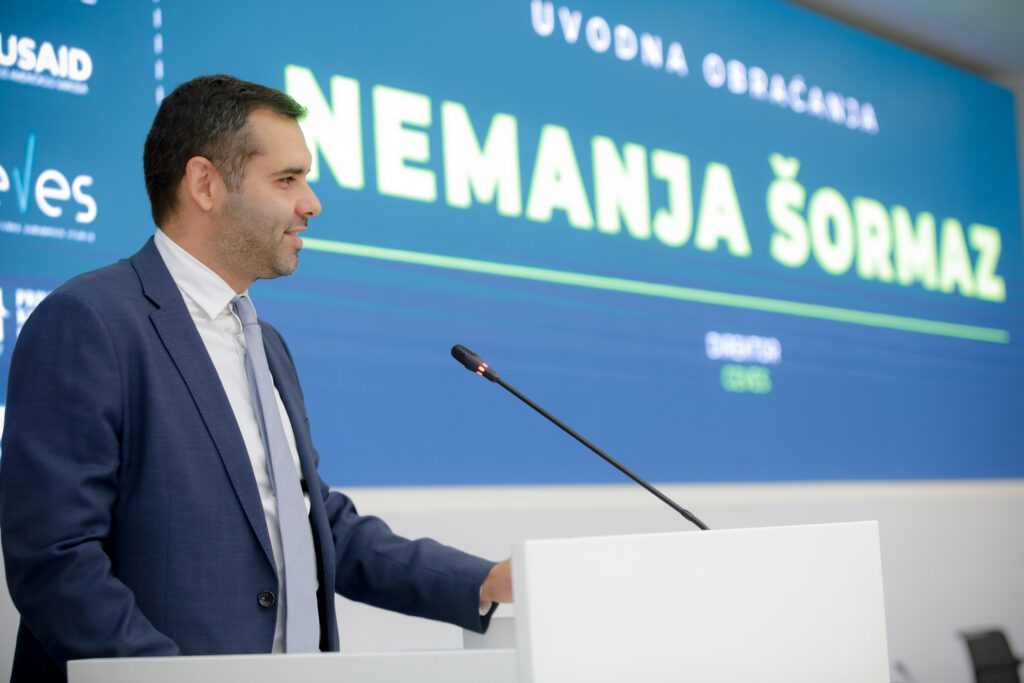
Organized by the Center for High Economic Studies (CEVES) and USAID's Project for Large Small Businesses, and with the support of the Chamber of Commerce of Serbia,
We invite you to the event „MSP Kompas Index 2024: Small Business – Big Potential“, where the MSP Kompas will be presented
ALL ROADS LEAD TO MSP Economic growth in Serbia in 2023 is estimated at 2.5%, while in 2024.
The European Commission prepared the New Growth Plan for the Western Balkans in November 2023 (hereinafter referred to as the Plan), which should
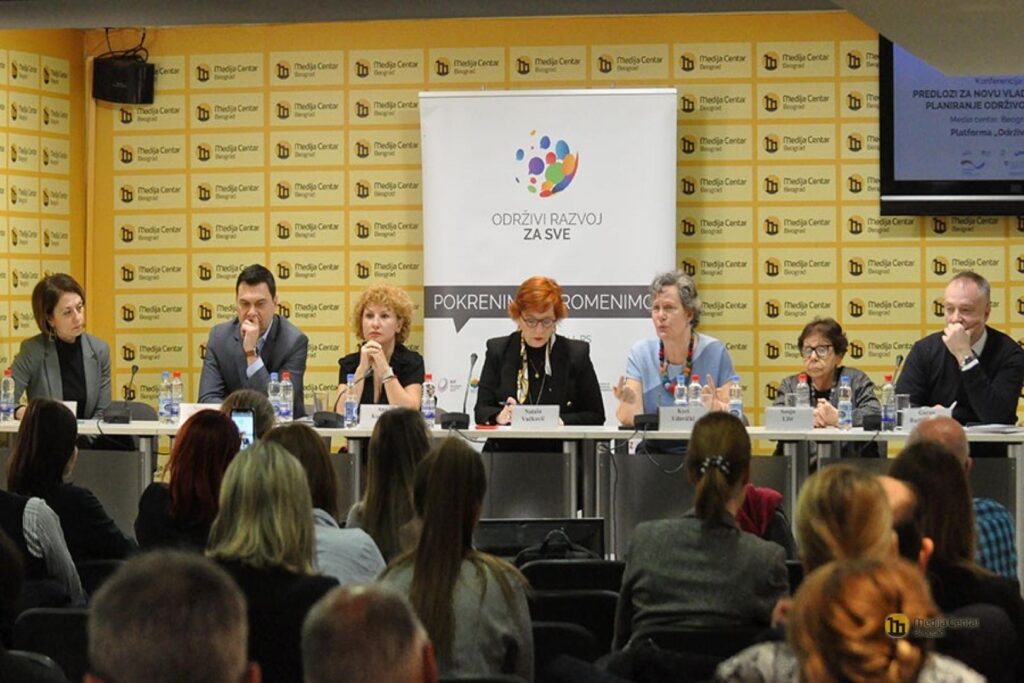
In order for the significant investments that Serbia is making these days to be sustainable (both in terms of the longevity of desirable effects and in the context of environmental protection) and to benefit all citizens of Serbia, encourage them to stay and invest here, “pull” those who are not “politically connected” or are even neglected and lagging behind — a Development Plan is necessary.
If it were enabled for the tax credit to amount to 50% of the investment, it would cost the state 300 to 400 million euros annually. That is not a small amount of money, but the effect would be a 40% growth in private investments in the medium term of 5 years.

„The main obstacles to export growth in the SME sector lie in underinvestment and labor shortages, and the key problem is the investment environment,“ says CEVES Director Nemanja Šormaz in an interview with Biznis.rs.